Paper on spin and density excitations of one-dimensional self-bound Bose–Bose droplets accepted in Physical Review A.
Accepted articleISF Postdoctoral Fellow · Ben-Gurion University
How quantum matter
finds order.
I am a theoretical physicist studying how collective behaviour emerges in ultracold quantum gases and correlated bosonic systems. My work connects supersolidity, nonequilibrium dynamics, collective excitations and quantum chaos with observables that experiments can measure.
I currently work with Prof. Doron Cohen at Ben-Gurion University of the Negev, combining analytical many-body theory, semiclassical methods and large-scale numerical calculations.
- 8
- published papers
- 4
- first-author
- 1
- accepted paper
- 52
- citations
- 5
- h-index
Publication record and Google Scholar metrics updated 21 August 2026.
Latest
Research updates
Published spectrum tomography of metastability and quantum chaos in Bose–Hubbard rings and chains.
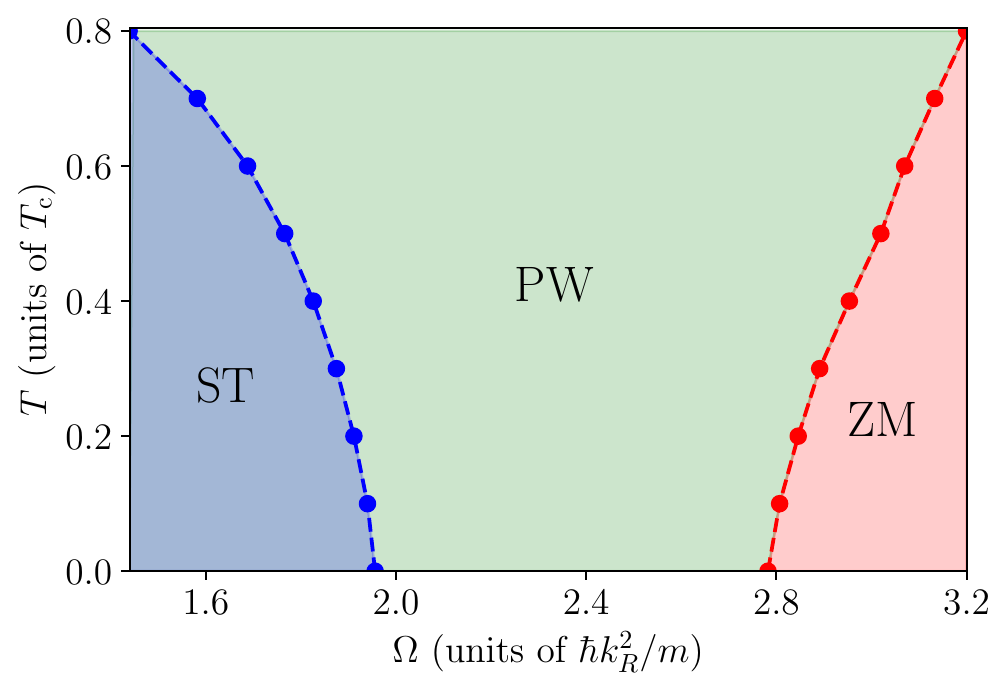
Phys. Rev. ResearchPublished the finite-temperature phase diagram and collective modes of coherently coupled Bose mixtures.
Phys. Rev. A 113, 043310European Commission Seal of Excellence for the MSCA-PF proposal SuperSQF, evaluated at 92.6/100.
Research profile
Collective behaviour
in quantum gases.
My research examines how interactions, temperature and confinement shape the phases and dynamics of ultracold bosons. I connect microscopic many-body models to experimentally accessible quantities such as collective-mode frequencies, phase boundaries, correlation functions and many-body spectra.
The calculations combine Bogoliubov theory, finite-temperature Hartree–Fock–Bogoliubov methods, real-time Gross–Pitaevskii dynamics, phase-space analysis and exact diagonalisation. The themes below are grounded in published work.
Phases and spectroscopy
Supersolids and coherently coupled condensates
I use excitation spectra to identify broken symmetries and phase transitions in spin–orbit-coupled spinor gases, stripe supersolids and Rabi-coupled Bose mixtures.
Far from equilibrium
Quenches, domains and universal scaling
Real-time simulations follow the formation and growth of magnetic domains after a quench, connecting microscopic dynamics to correlation-function collapse and a measured coarsening exponent.
Correlated bosons
Metastability and quantum chaos
For Bose–Hubbard rings and chains, I combine classical phase-space structure with many-body spectra to diagnose stability, chaos, self-trapping and persistent currents.
Selected contributions
From collective modes to nonequilibrium scaling
My work builds a continuous methodological path from spectra and finite-temperature phase boundaries to domains, coarsening and correlated many-body dynamics.
Dynamic scaling in a spinor quantum gas
Magnetic domains after a zero-momentum-to-plane-wave quench in a homogeneous quasi-2D spin-1 condensate grow as L(t) ∝ t0.66, consistent with inertial-hydrodynamic binary-fluid coarsening. The ensemble and correlation-function workflow is the direct methodological precursor of my supersolid programme.
Phys. Rev. A 111, 033316Thermal control and melting of stripe order
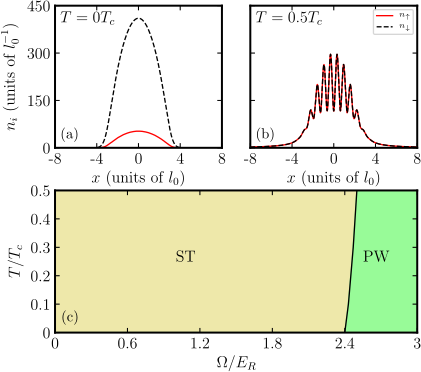
Finite-temperature HFB–Popov calculations show that temperature can shift the plane-wave–stripe boundary and induce stripe order in a trapped quasi-1D gas, while the homogeneous system displays thermal melting and phase-boundary shifts.
Collective modes as phase diagnostics
Bogoliubov and variational calculations identify density, spin, Goldstone and roton-like responses across Raman- and angular-momentum-coupled condensates, turning changes of symmetry into experimentally accessible spectra.
Metastability and spectrum tomography
Many-body exact diagonalisation and semiclassical phase-space analysis connect metastable currents with mixed regular–chaotic dynamics in Bose–Hubbard rings and chains.
Phys. Rev. Research 8, 033024Research in figures
Published results,
seen directly.
Selected calculations from my papers, organised around three questions: how collective modes reveal phase transitions, how temperature reshapes ordered phases, and how classical phase-space structure appears in a quantum spectrum.
Collective modes and coarsening · 2025
Phys. Rev. A 111, 033316
From a soft mode to universal domain growth
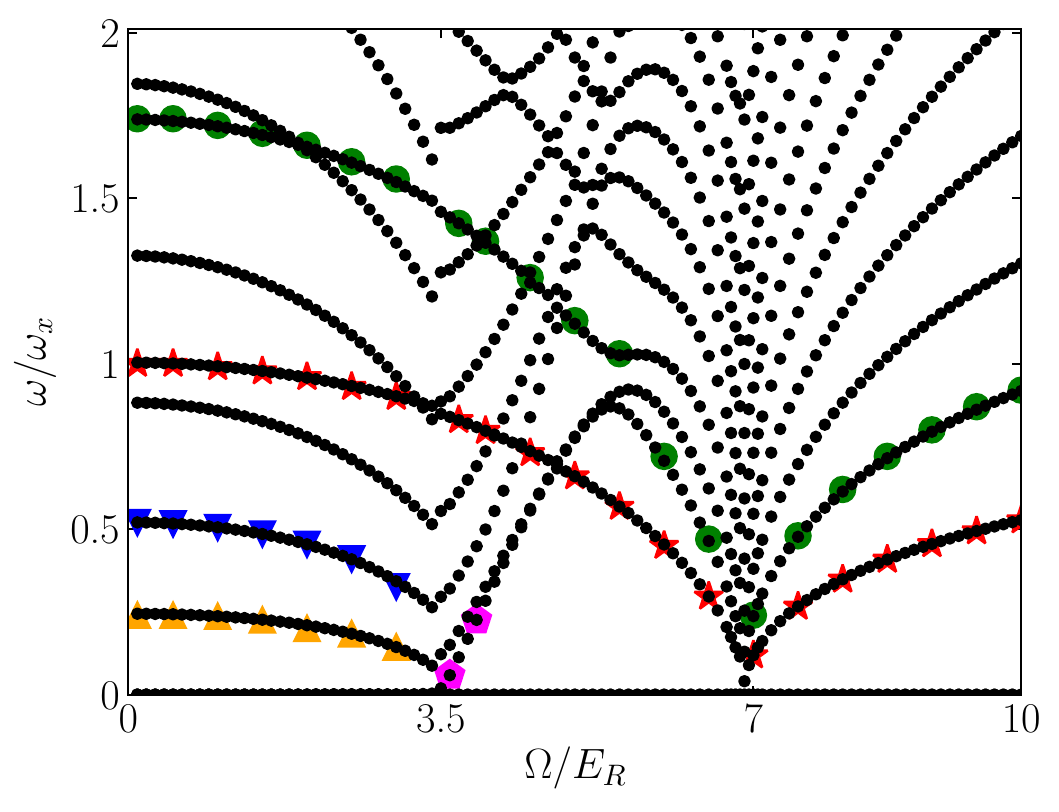
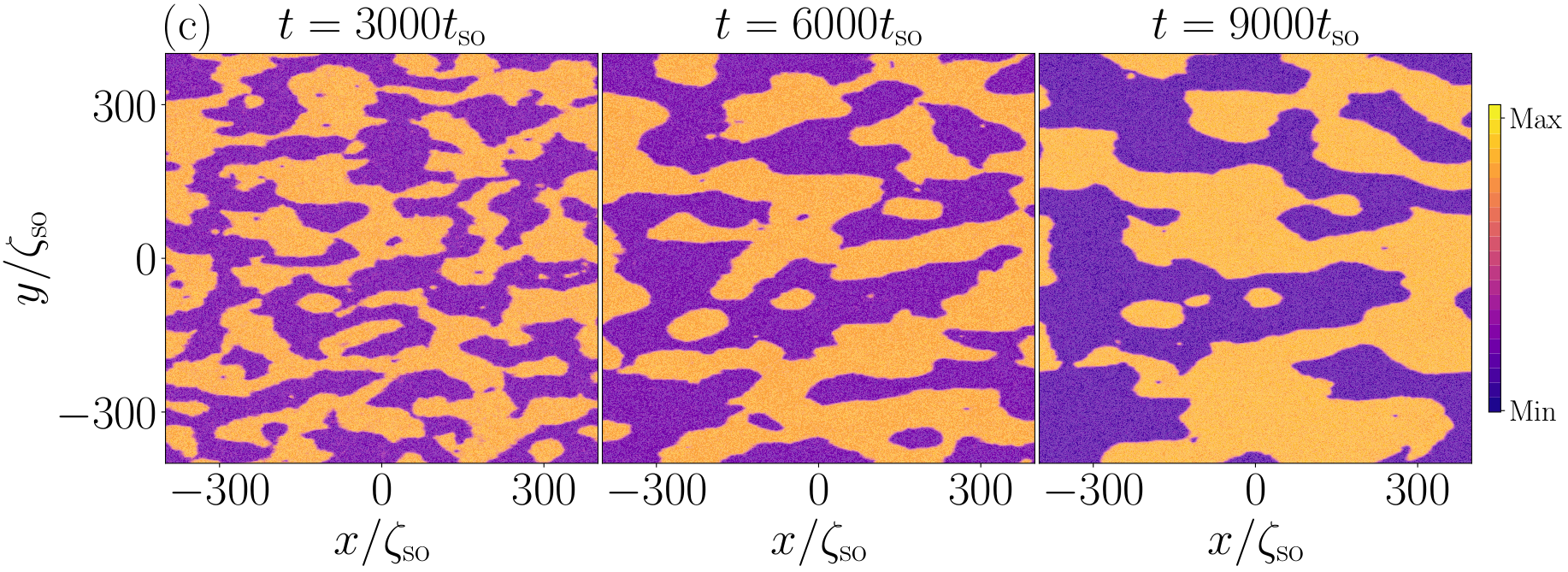
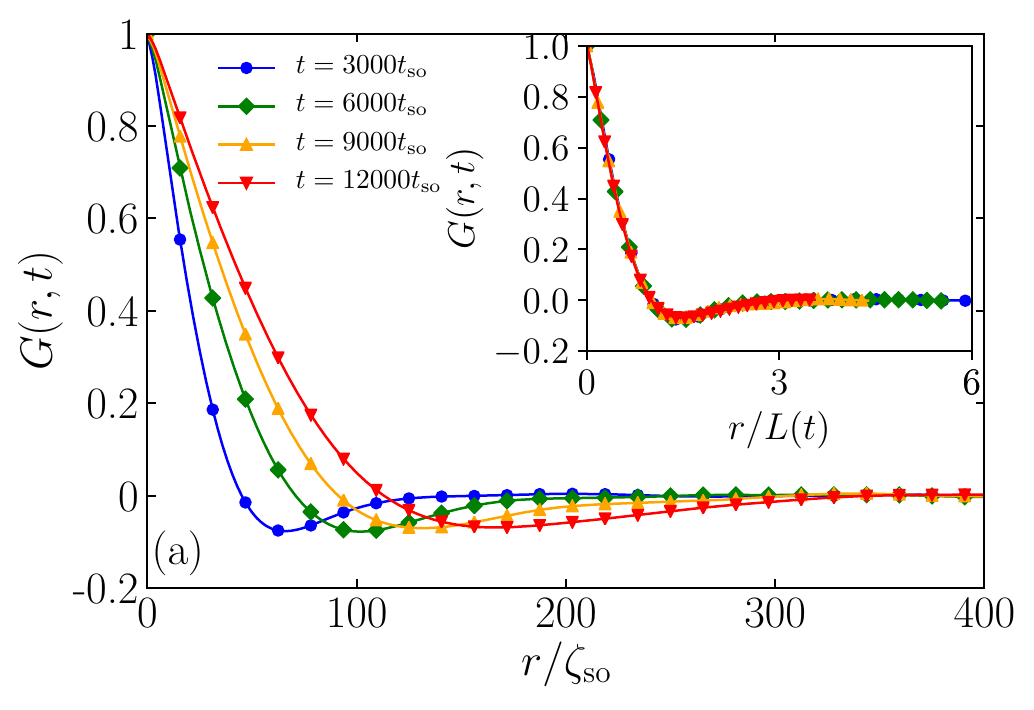
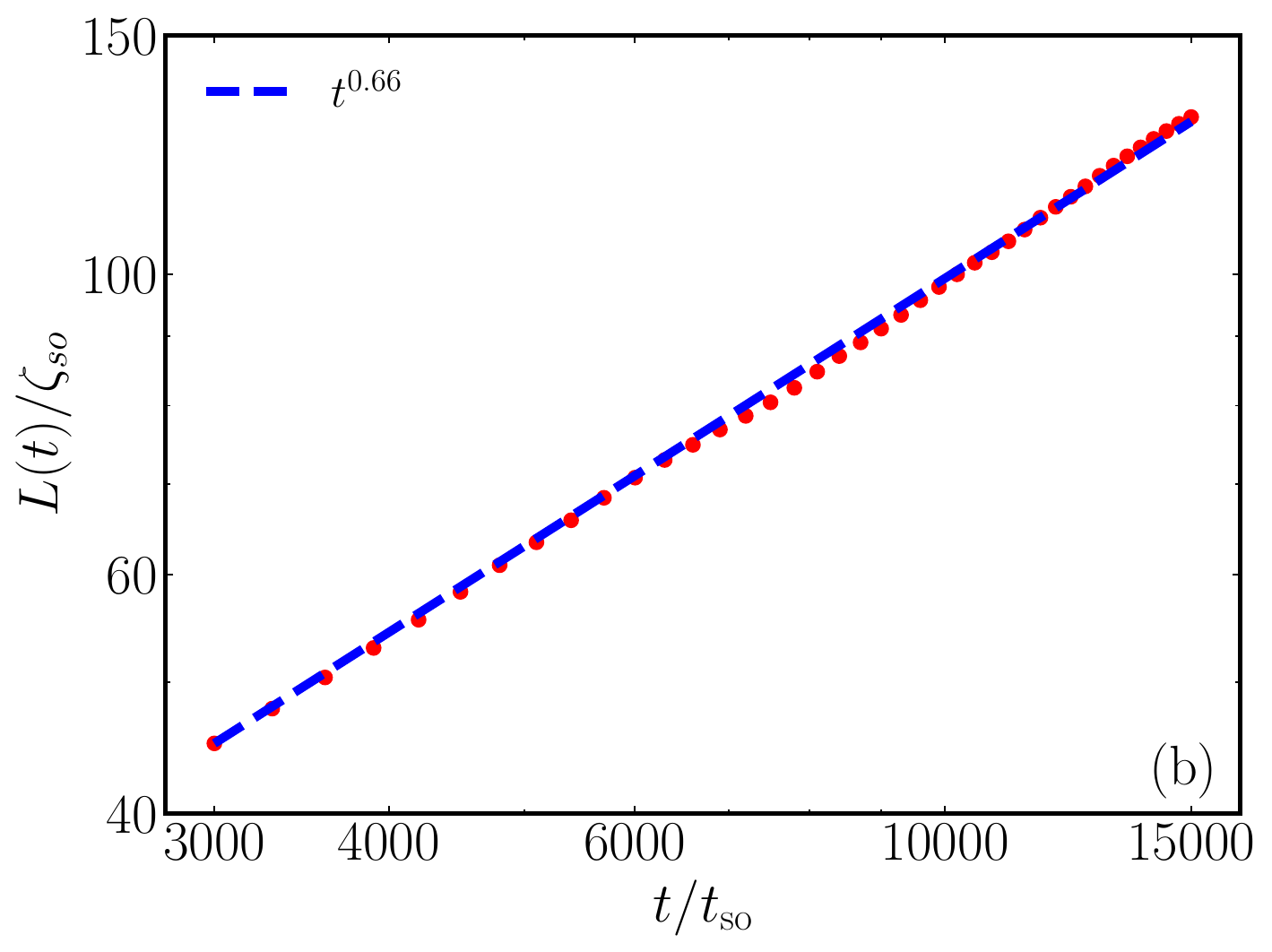
Experimental connection. Figure 4 concerns a trapped spin-1 condensate. In a closely related two-component 41K Raman-coupled supersolid, the ICFO group led by Prof. Leticia Tarruell has since observed a stripe-compression mode and its frequency softening at the supersolid transition in Science 391, 480–484 (2026) .
Finite-temperature quantum gases · 2024–25
Temperature can amplify or melt stripe order
Metastability and quantum chaos · 2026
Phys. Rev. Research 8, 033024
Reading phase space through a many-body spectrum
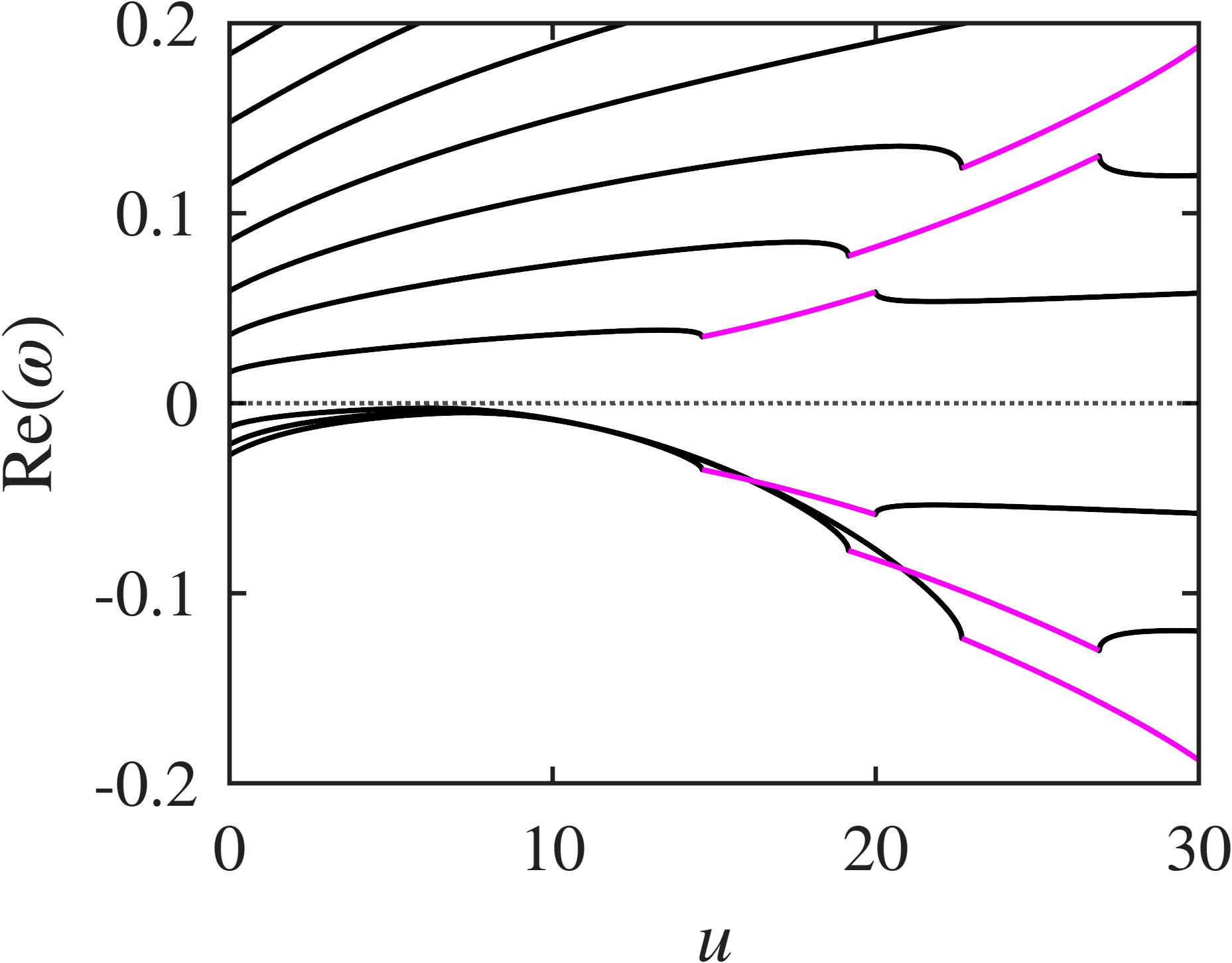
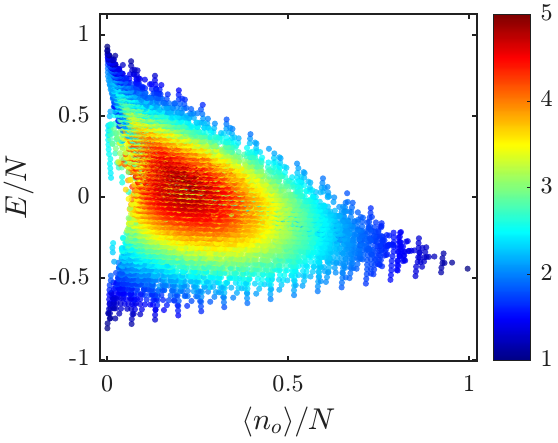
Fig. 10 · first rowFive-site ring: energetically stable stationary point
u = 4, φ = 1.1π
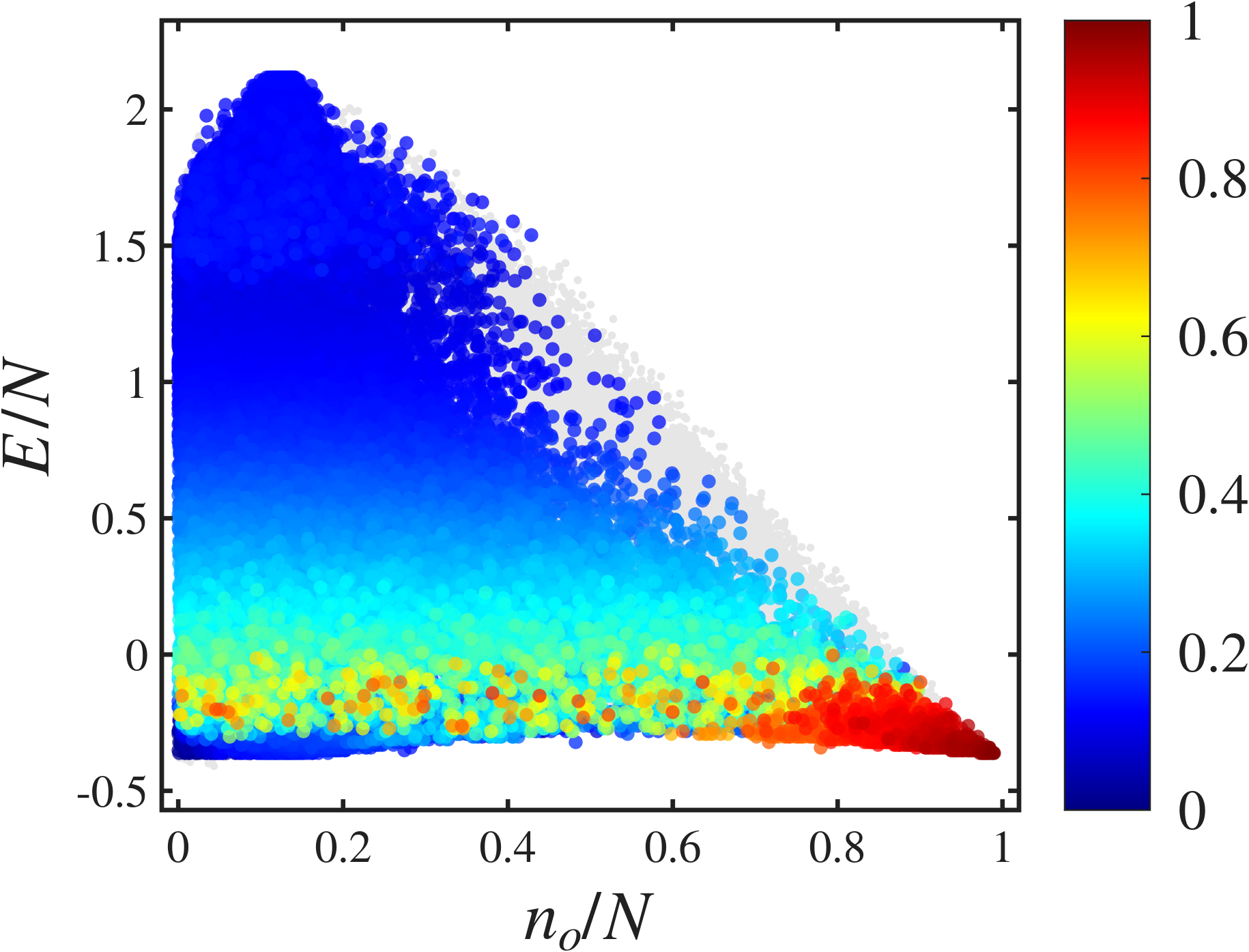
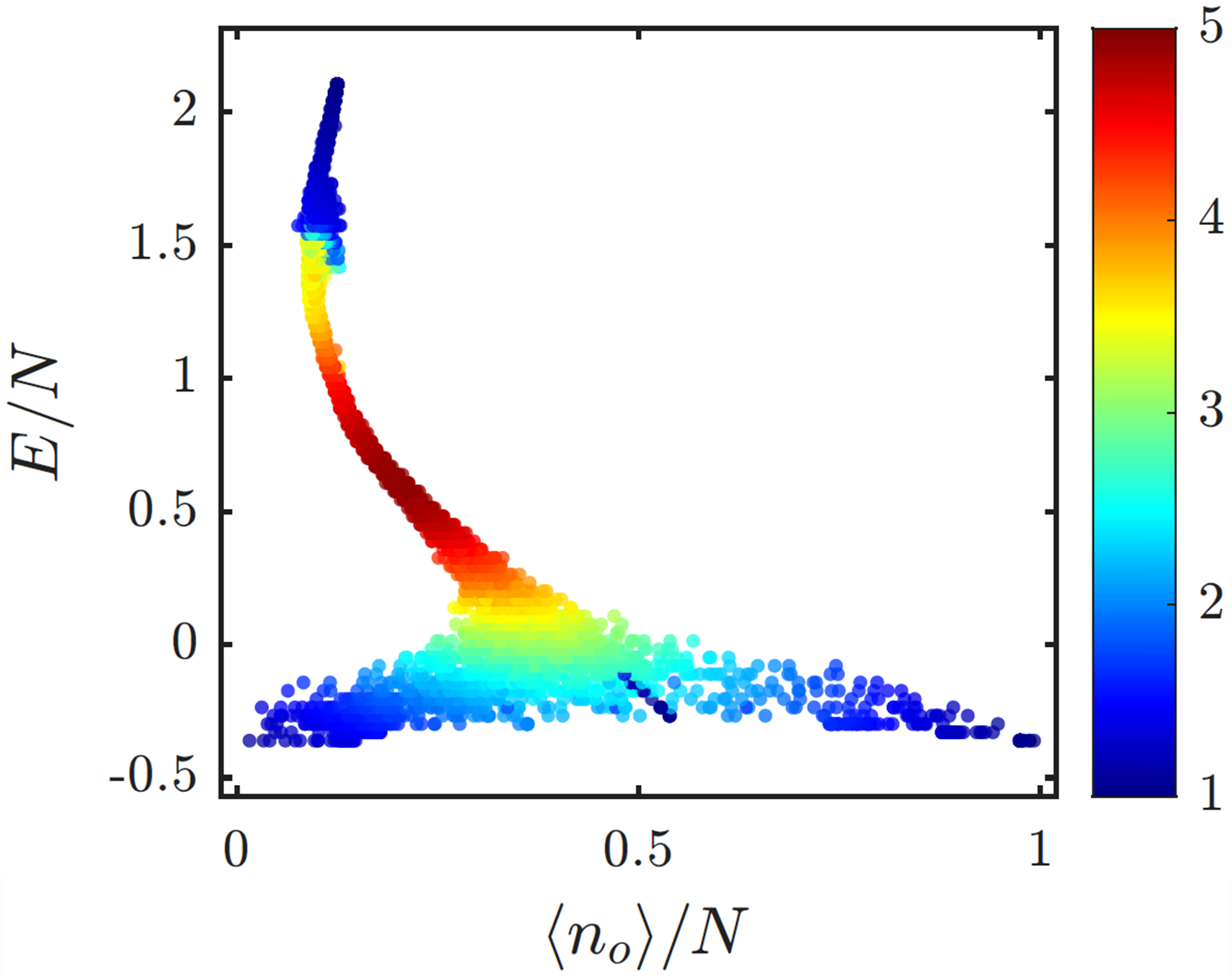
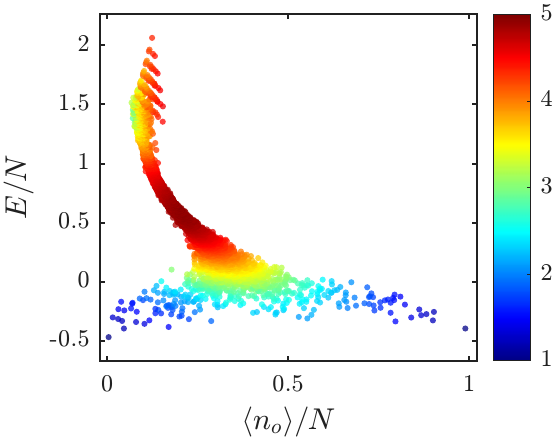
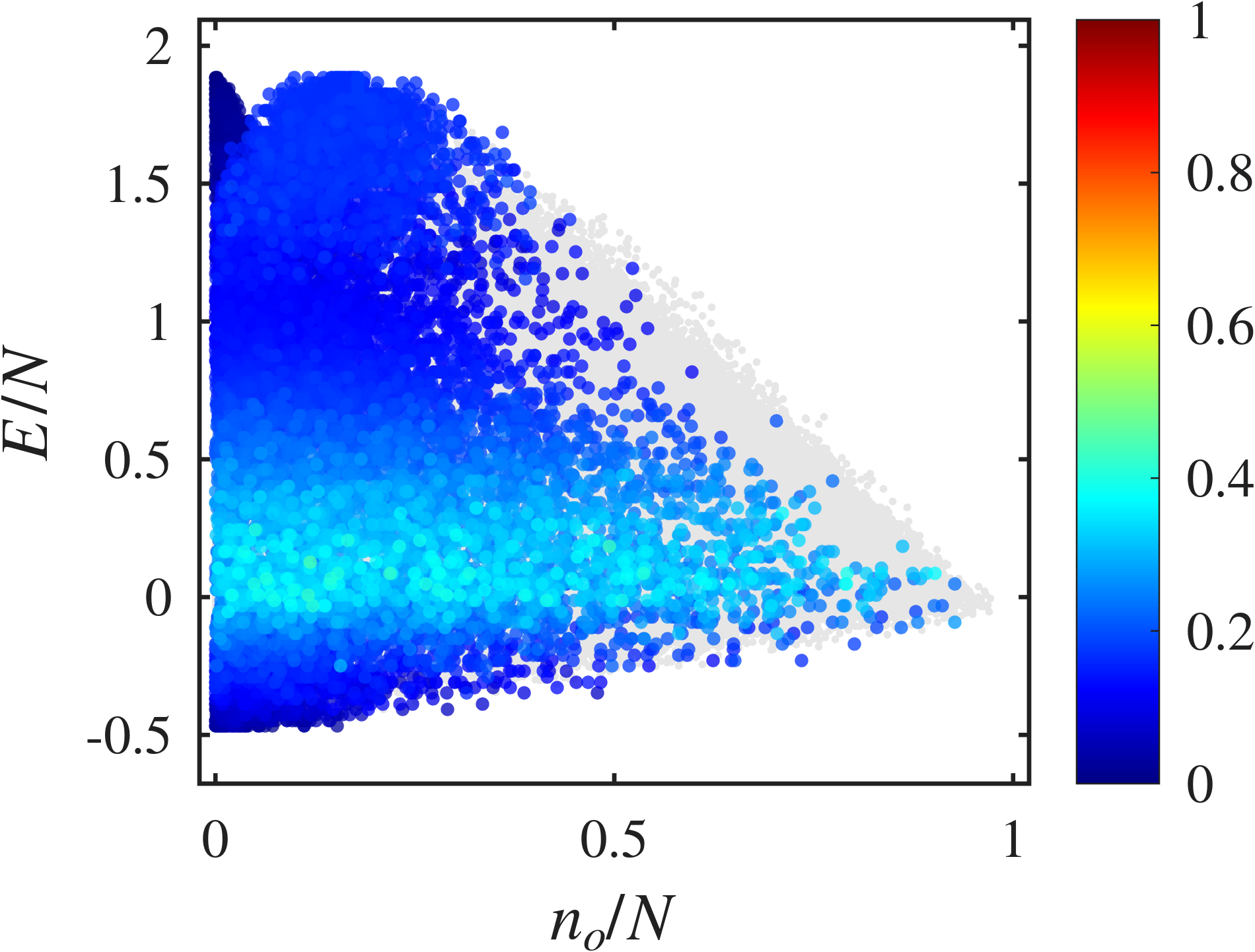
Fig. 12 · completeFive-site chain across three interaction regimes
Quantum panels: N = 30, odd-parity states excluded
u = 0.5quasi-regular; stable stationary point
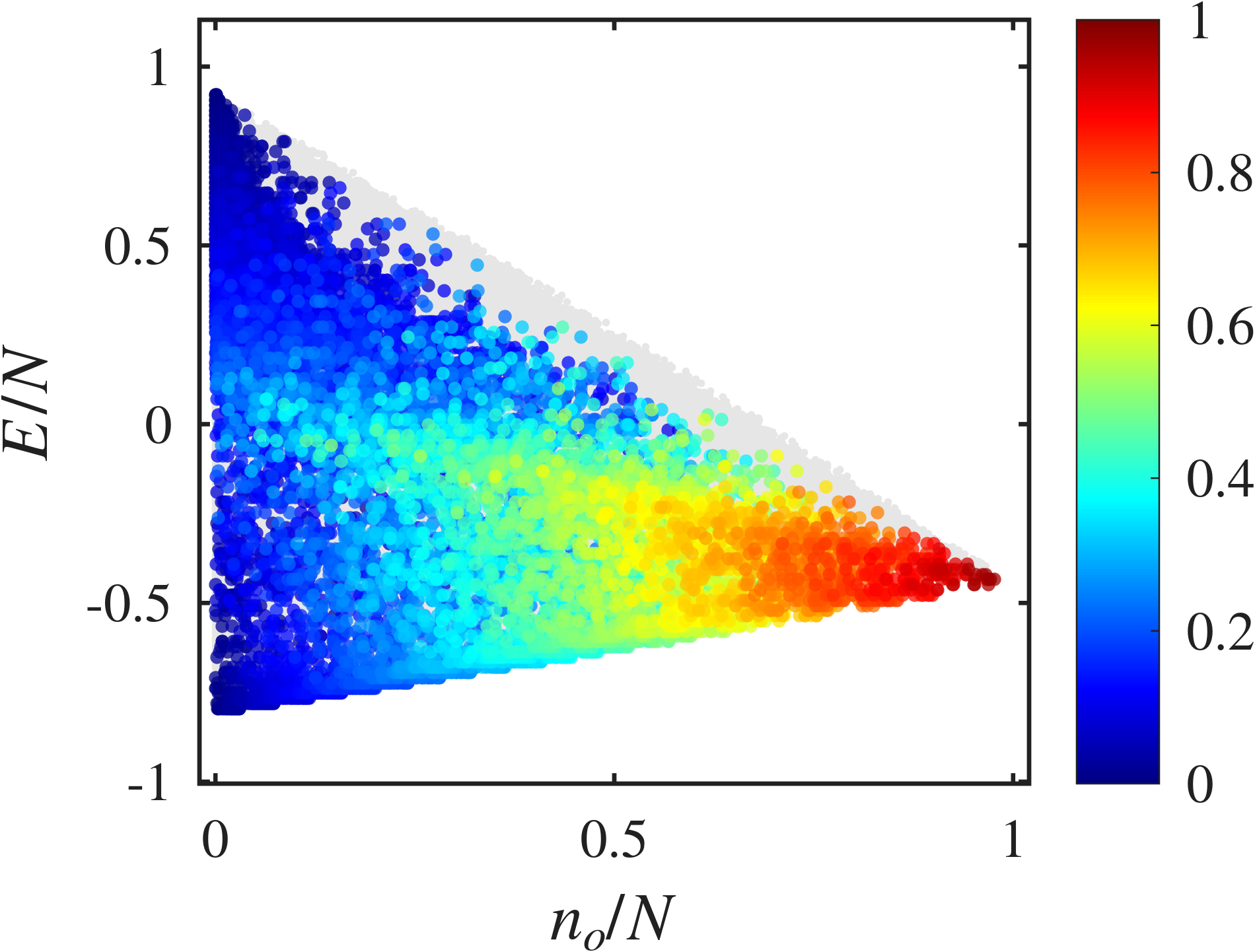
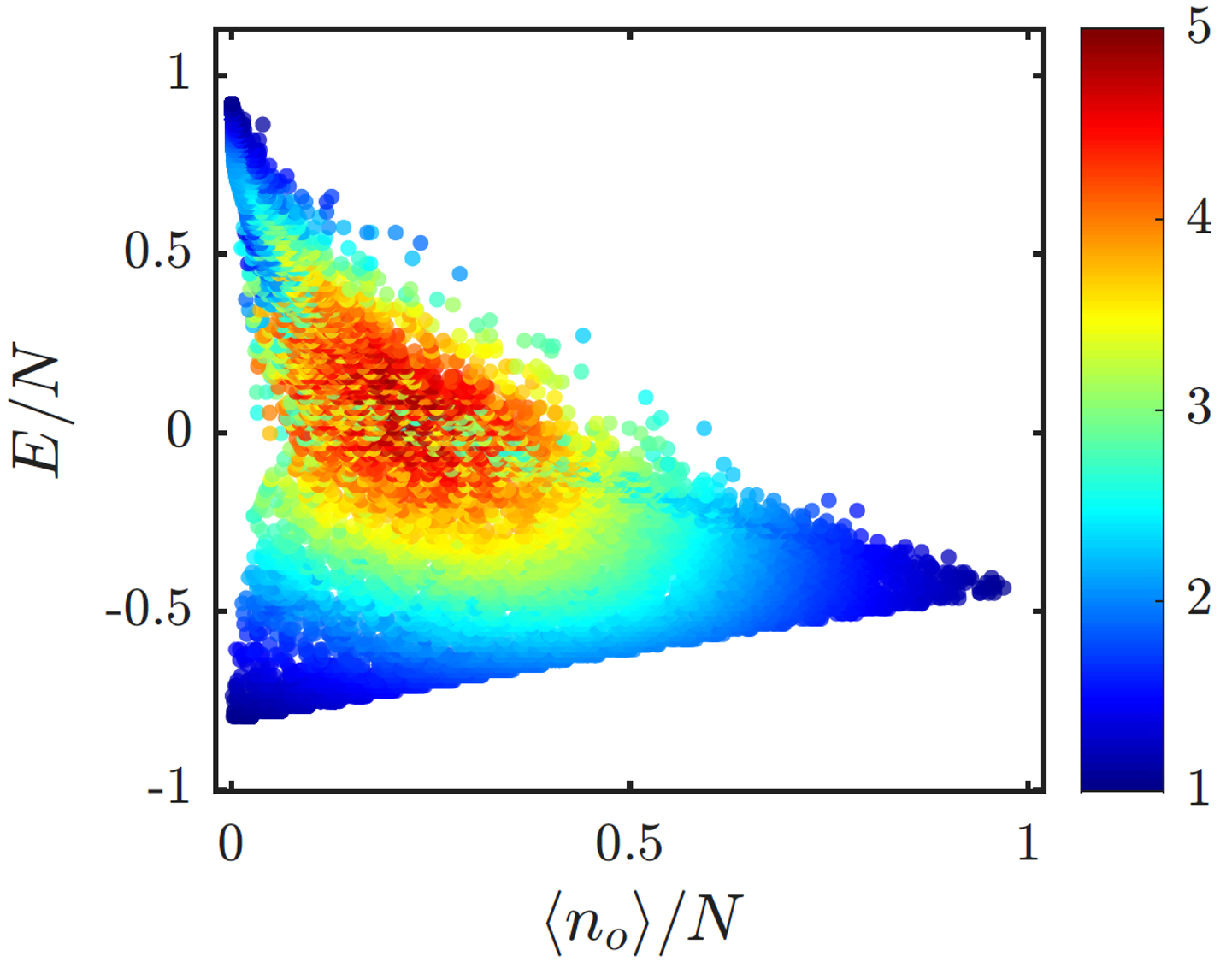
u = 3.5chaotic; unstable stationary point
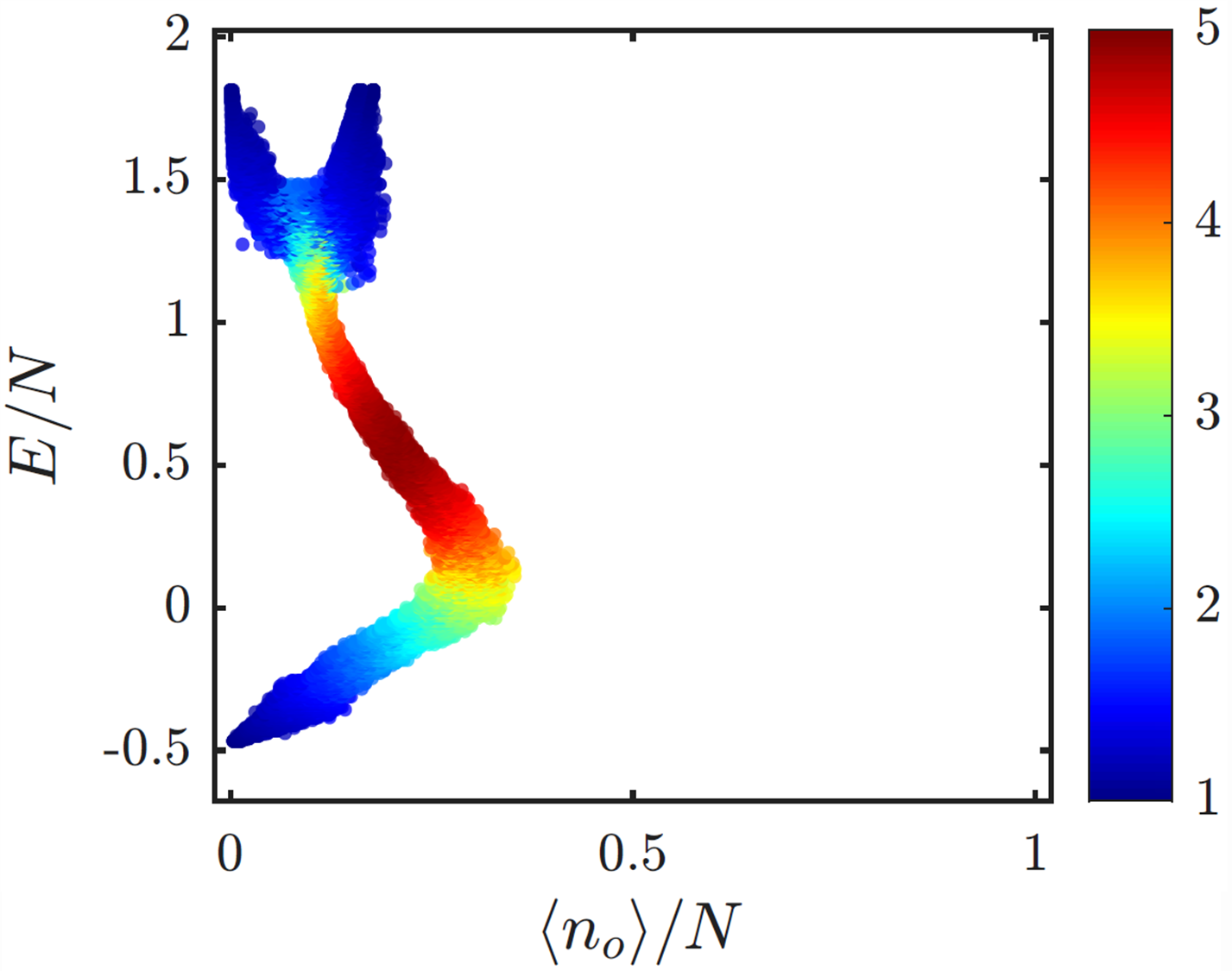
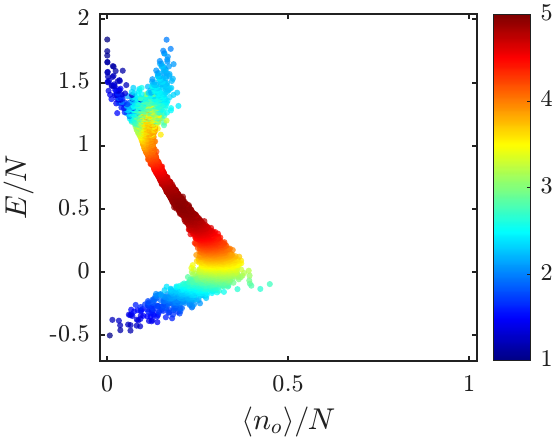
u = 7.5separated chaotic sea and stability island
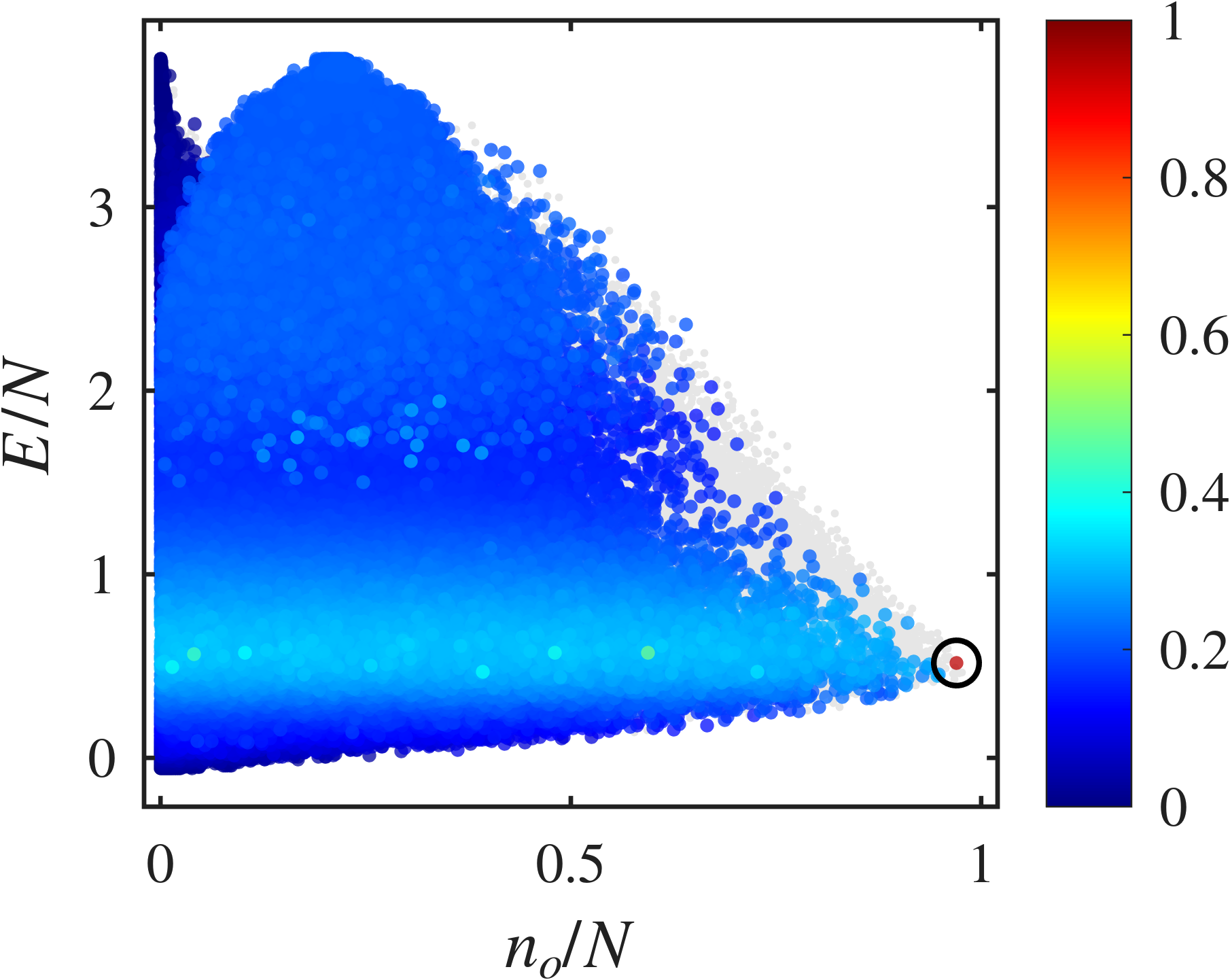
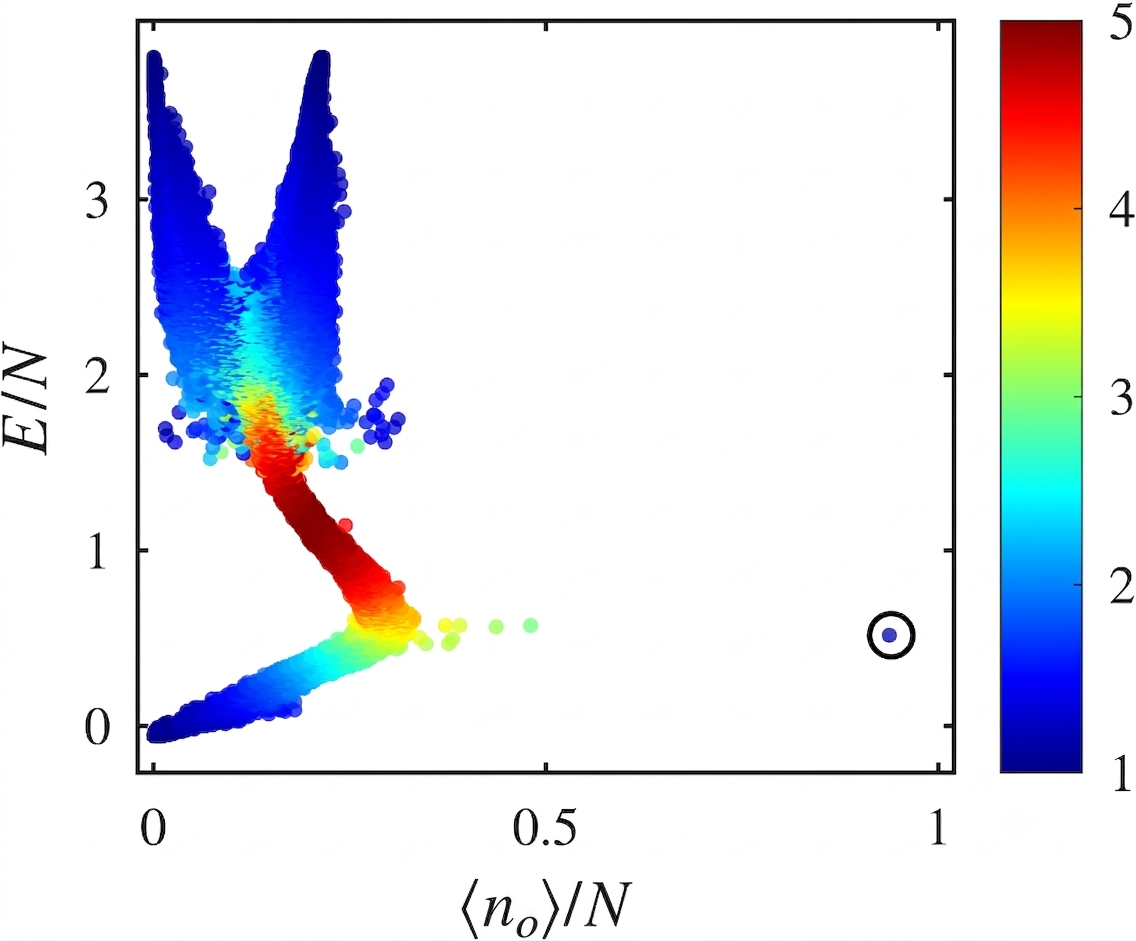
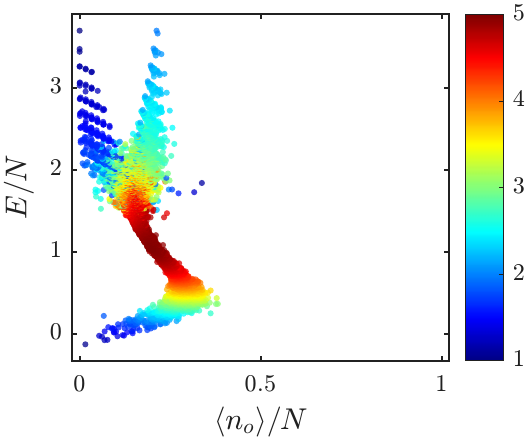
Across the columns, a phase-space landscape is converted into a long-time classical spectrum and compared with the corresponding many-body quantum spectrum. Increasing interaction reveals chaos, self-trapping and the limits of quantum resolution of small classical stability islands.
Figure sources and reuse information
Every panel is linked to its paper above. Figures from the 2024 and 2025 author manuscripts are available under CC BY 4.0; the 2026 spectrum-tomography panels are reproduced from the authors’ manuscript. Only resizing and PDF-to-image conversion were applied. Explanatory captions on this page are shortened from the original paper captions.
Publications
Peer-reviewed research
Peer-reviewed articles and accepted work, listed newest first.
-
Spin and density excitations of one-dimensional self-bound Bose–Bose droplets
Ritu, Rajat, Manpreet Singh, Rajesh Kumar Gupta and Sandeep Gautam
-
Metastability, chaos, and spectrum tomography for Bose–Hubbard rings and chains
Rajat and Doron Cohen
-
Finite-temperature phase diagram and collective modes of coherently coupled Bose mixtures
Sunilkumar V, Rajat, Sandeep Gautam and Arko Roy
-
Thermal amplification and melting of phases in spin-orbit-coupled spin-1 Bose–Einstein condensates
Ritu, Rajat, Arko Roy and Sandeep Gautam
-
Collective excitations and universal coarsening dynamics of a spin-orbit-coupled spin-1 Bose–Einstein condensate
Rajat, Paramjeet Banger and Sandeep Gautam
-
Excitations of a supersolid annular stripe phase in a spin-orbital-angular-momentum-coupled spin-1 Bose–Einstein condensate
Paramjeet Banger, Rajat and Sandeep Gautam
-
Temperature-induced supersolidity in spin-orbit-coupled Bose gases
Rajat, Ritu, Arko Roy and Sandeep Gautam
-
Quantum phases and the spectrum of collective modes in a spin-1 Bose–Einstein condensate with spin-orbital-angular-momentum coupling
Paramjeet Banger, Rajat, Arko Roy and Sandeep Gautam
-
Collective excitations in cigar-shaped spin-orbit-coupled spin-1 Bose–Einstein condensates
Rajat, Arko Roy and Sandeep Gautam
Academic path
Methods built around physical questions
My trajectory moves from collective excitations, through finite-temperature phase structure and coarsening, to current work on many-body metastability. It provides the analytical and numerical base for an independent programme on coupled-order dynamics.
Bogoliubov theoryCollective modes, stability and roton softening
Real-time GPEQuench ensembles, correlations, domains and defects
HFB–Popov theoryFinite-temperature phase diagrams and spectra
Exact diagonalisationQuantum spectra, metastability and phase-space tomography
Scientific computingFortran, Python, Mathematica, OpenMP/OpenACC and Slurm
ISF Postdoctoral Fellow
Ben-Gurion University of the Negev, Israel
Metastability, quantum chaos and phase transitions in Bose–Hubbard rings and chains, with Prof. Doron Cohen.Visiting Researcher
Indian Institute of Technology Ropar, India
Collective excitations and finite-temperature dynamics in coupled ultracold gases.Senior Research Fellow
Indian Institute of Technology Ropar, India
Doctoral research on spin-orbit-coupled spinor condensates and numerical many-body methods.PhD in Physics
Indian Institute of Technology Ropar, India
Collective excitations and coarsening dynamics of spin-orbit-coupled spinor condensates. Degree awarded 16 July 2025.Junior Research Fellow
Indian Institute of Technology Ropar, India
Recognition & communication
Research made visible
I communicate results across ultracold-atom, atomtronics and quantum-materials communities, and I have contributed to teaching and mentoring in numerical quantum physics.
European Commission Seal of Excellence
MSCA-PF proposal SuperSQF – Supersolidity in Quantum Fluids, 92.6/100.
Atomtronics, Benasque
Poster on metastability, chaos and spectrum tomography in Bose–Hubbard rings and chains.
Best Oral Presentation, PHYCON
Talk on collective excitations and universal coarsening dynamics in a spin-orbit-coupled spin-1 condensate.
Ultracold Atoms Japan, OIST
Poster on temperature-induced supersolidity in spin-orbit-coupled Bose gases.